
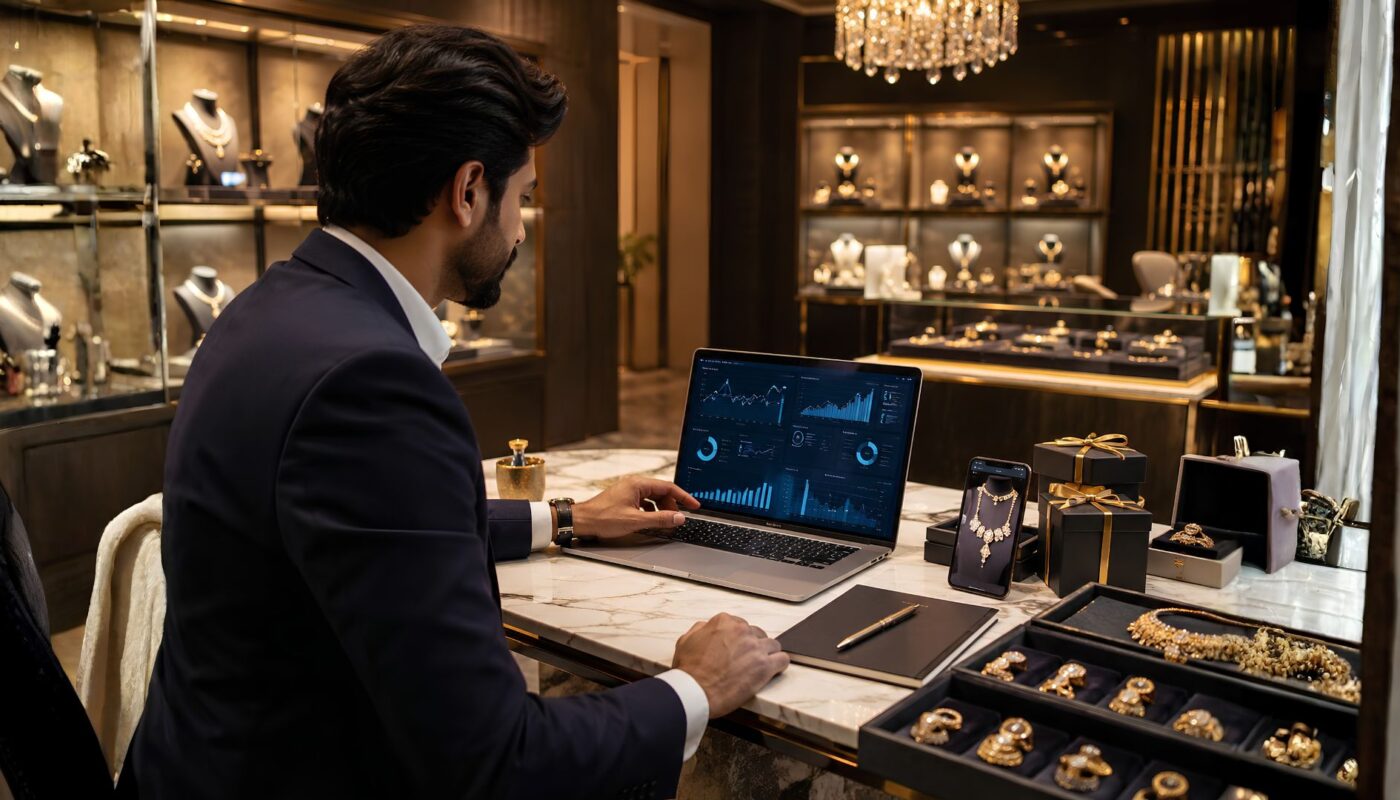
For luxury jewellers, online retailers and independent designers, jewellery brand marketing is no longer limited to beautiful photography. Customers now compare craftsmanship, reviews, price transparency, delivery policies, social proof and brand credibility before they buy. Online retail also remains a major part of the UK shopping journey, with the ONS tracking internet sales as a percentage of total retail sales through its Retail Sales Index.
A strong digital marketing strategy helps a jewellery business turn attention into trust. It connects search visibility, content, product pages, social media, paid advertising and customer experience into one joined-up journey. For brands selling high-value or emotional products, that structure is essential.
Jewellery is personal. A customer buying bridal jewellery, a diamond ring or a meaningful gift wants to feel inspired, but also reassured. That is why jewellery brand marketing must balance luxury presentation with clear information and practical buying confidence.
Why Jewellery Brand Marketing Needs a Clear Strategy
Strong jewellery brand marketing begins with positioning. Before choosing platforms or campaigns, a brand needs to know what it wants to be known for. That could be bespoke craftsmanship, modern bridal design, ethical sourcing, cultural jewellery, fine gemstones, everyday luxury or premium gifting.
Without clear positioning, every marketing channel becomes harder to manage. The website may say one thing, social media another, and adverts something else. Customers notice that inconsistency, even if they cannot explain it. A clear message helps the business feel more memorable and trustworthy.
Luxury jewellery marketing works best when the brand’s value is visible quickly. Visitors should understand who the jewellery is for, what makes it different and why the business is credible. This does not mean writing long, formal copy. It means using precise language, consistent visuals and product information that supports the decision to enquire or buy.
Build Search Visibility Around Buyer Intent

Search matters because it captures customers when they already have intent. Google’s SEO Starter Guide explains that SEO helps search engines understand content and helps users find a site and decide whether to visit it. For jewellery businesses, this means collection pages, product pages and educational content should be built around real search behaviour.
Jewellery SEO should cover both commercial and informational searches. Commercial pages may target engagement rings, gold bracelets, bridal jewellery, diamond earrings or luxury gifts. Informational content can answer questions about diamond shapes, gold purity, ring sizing, jewellery care, styling and buying guides.
Each key collection deserves its own useful page. A page for a bespoke diamond range, for example, should include product imagery, metal options, gemstone guidance, consultation information, delivery details and reasons to trust the brand. Google’s product structured data guidance also explains that product information such as price, availability, ratings and shipping details can appear in richer ways in Search when implemented correctly.
A focused strategy may also include culturally specific products such as bespoke diamond engagement ring collections, bridal sets or heritage-inspired pieces. These pages should explain design meaning, materials and buying considerations rather than relying only on visuals.
Connect Social Media, Paid Ads and Product Pages
Social media is often where jewellery customers first experience the brand. DataReportal reported 55.5 million social media user identities in the UK in October 2025, equal to 79.7% of the population, which shows why social discovery remains important for retail and lifestyle brands.
For jewellery brand marketing, social content should do more than display products. It should show scale, movement, sparkle, styling, packaging and behind-the-scenes detail. Short videos can show how a ring looks on the hand, how a necklace sits with an outfit or how a bracelet catches natural light.
Paid campaigns can then support the journey. Awareness ads introduce the brand. Retargeting ads bring back website visitors. Shopping campaigns can support online jewellery sales. Lead campaigns can promote bespoke consultations or showroom appointments.
A specialist digital marketing agency can help connect SEO, social media, paid ads and website tracking so the brand can understand which activity produces real enquiries and sales.
Turn Product Knowledge Into Useful Content
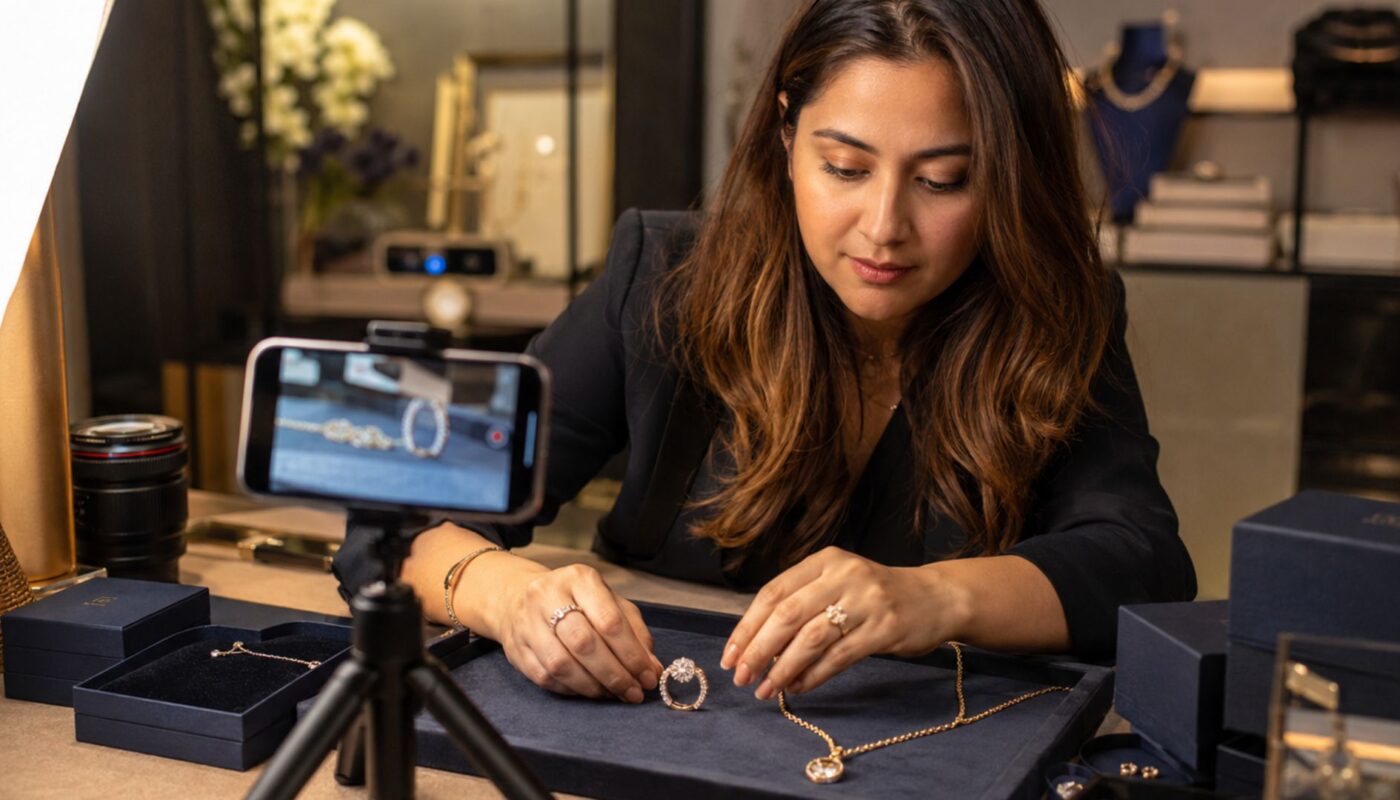
Content should answer the questions customers ask before they feel ready to buy. Jewellery purchases often involve uncertainty: Is the piece durable? What metal should I choose? Will it suit the occasion? Can it be resized? Is the brand reliable?
Useful content can include buying guides, style advice, care tips, gemstone explainers, gift guides, bridal checklists and comparison articles. This supports online jewellery marketing because it attracts early-stage visitors and gives them reasons to return. It also makes jewellery brand marketing more useful because each article answers a real customer concern.
Product storytelling is also important. A plain product description may list features, but a stronger description explains how the piece is made, when it could be worn and what makes it worth considering. That detail is especially useful for luxury jewellery marketing because customers expect both beauty and substance.
Build a Practical Growth System
Your website should feel like a digital showroom. It must look polished, but it also needs to be simple to use. Customers should be able to browse collections, compare products, understand delivery options, read reviews and take action without friction.
Start by reviewing your homepage. Does it explain the brand clearly within a few seconds? Then review collection pages. Are they organised around how customers shop, or only around how the business internally categorises products?
Next, improve product pages. Add multiple images, close-ups, model shots where appropriate, metal details, sizing information, care notes, delivery information and clear calls to action. This improves buyer confidence and supports jewellery business growth.
Then create a content calendar around search intent and customer hesitation. Combine educational blogs, product-led guides, seasonal gifting content, bridal advice, styling videos and email campaigns. A digital marketing agency can help shape this into a consistent growth plan rather than disconnected activity.
Finally, treat jewellery brand marketing as an ongoing system, not a one-off campaign. Track performance. Measure product views, add-to-cart activity, purchases, enquiries, appointment bookings, WhatsApp clicks, newsletter sign-ups and returning visitors. Traffic is useful, but profitable action is the real goal.
Common Mistakes Jewellery Brands Make Online
One common mistake is treating jewellery brand marketing as only an aesthetic exercise. Beautiful photography matters, but it cannot replace clear product details, trust signals and a smooth buying journey.
Another mistake is sending every advert to the homepage. Campaigns work better when each click leads to a relevant landing page, such as a bridal collection, gift guide or consultation page.
Some brands also use the same message for every audience. A bridal customer, anniversary gift buyer and luxury self-purchaser may all need different content, imagery and reassurance.
A final mistake is ignoring technical foundations. Slow loading, weak mobile layouts, missing product data and unclear navigation can reduce both visibility and conversion.
Turning Attention Into Jewellery Sales
The jewellery brands that grow online usually do not rely on one channel. They build a system where search captures intent, social media creates desire, content educates, paid advertising scales reach and product pages convert interest into action.
For online jewellers and luxury retailers, jewellery brand marketing works best when it feels consistent, useful and premium. The strategy should reflect the quality of the products and make the customer’s decision easier.
Done well, jewellery brand marketing becomes more than promotion. It becomes the structure that helps the right customers discover the brand, understand its value and buy with confidence.
FAQ
Jewellery brand marketing is the process of growing a jewellery business through SEO, content, social media, paid advertising, email, product storytelling and conversion-focused website design.
Jewellery brands can grow online by improving product pages, investing in SEO, creating useful content, posting strong social media, running targeted ads, collecting reviews and making the buying journey simple.
Jewellery SEO helps brands appear when customers search for products, buying advice, bridal jewellery, bespoke services or local jewellers. It captures demand from people who already have interest or purchase intent.
Jewellery brands should post product close-ups, styling videos, behind-the-scenes craftsmanship, packaging moments, gemstone education, customer stories, new arrivals and short clips showing pieces being worn.
Yes, paid ads can help online jewellery sales when campaigns have strong creative, accurate targeting, clear landing pages and proper tracking.
Trust comes from professional photography, clear product details, genuine reviews, secure checkout, transparent policies, useful content, visible contact details and a website that feels as premium as the jewellery itself.