
If you enjoy pushing your body to its limits, you already know how incredible high intensity training can feel. Whether you are a committed gym goer, a regular runner, a HIIT class enthusiast or someone who simply loves the challenge of fast paced workouts, the satisfaction after a tough session is unbeatable. What often gets overlooked is the recovery that follows. It is easy to assume that the harder you train, the better your results will be. In reality, your progress depends just as much on how well you look after your body when the session ends. That is where understanding the Best Recovery Practices becomes essential.
High intensity activities place a great deal of pressure on your muscles, joints and nervous system. When you train at a fast pace or use explosive movements, the micro tears in your muscle fibres and the strain on your mobility can quickly build up. Recovery is not something you should see as an optional extra. It is how your body heals, adapts and becomes stronger over time. Without proper recovery, the risk of fatigue, injury and burnout increases significantly. However, with the right approach, you can optimise your performance, feel energised and continue enjoying your workouts for years to come.
Understanding the Importance of Quality Recovery
Before diving into the Best Recovery Practices, it helps to understand why recovery matters so much. When you train at high intensity, you are essentially breaking your muscles down. During rest, your body repairs these tissues and rebuilds them to be stronger. If you skip recovery or rush straight back into training without giving yourself time to heal, your performance will suffer. Muscles may feel heavy, movements may feel slower and your overall motivation may quickly drop.
Quality recovery does more than help your muscles regain strength. It supports your immune system, improves your sleep patterns and keeps your nervous system balanced. Many athletes and fitness lovers now treat recovery as part of their routine rather than an afterthought. From foam rolling to sports massages and even visiting professionals specialising in chiropractic in london, people are recognising that recovery is a vital part of any fitness journey.
Rest Days Are Not a Sign of Weakness
One of the biggest misconceptions in fitness culture is the idea that rest days slow your progress. In truth, resting is one of the most effective Best Recovery Practices you can adopt. When you give yourself time to rest, your muscles heal more efficiently, allowing you to return to training with greater energy and resilience.
A rest day does not mean you need to stay completely inactive. Many people enjoy gentle walking, stretching or light mobility workouts to keep their bodies moving without adding stress. Activities like yoga, Pilates or a relaxed swim can promote circulation, reduce stiffness and give your mind a break from intense training. Remember, taking a rest day is not being lazy. It is one of the smartest choices you can make for long term results.
Hydration and Nutrition Make a Massive Difference
Your body needs the right fuel to repair itself, especially after high intensity training. Hydration plays a crucial role in recovery because it helps regulate body temperature, transport nutrients and remove waste products from your muscles. Even mild dehydration can make you feel sluggish during your next workout.
Nutrition is equally important when considering the Best Recovery Practices. Protein is essential for muscle repair, while carbohydrates help replenish your energy stores. Healthy fats support hormone balance and brain function. Eating a balanced meal within a couple of hours after training can significantly reduce soreness and help you recover faster. Many athletes also include electrolytes, protein shakes or recovery focused snacks to support their routine. Regardless of your preference, aim to give your body quality fuel so it can perform at its best.
The Power of Stretching and Mobility Work

When you train at a high intensity, your muscles naturally tighten as they work hard to support your movements. If you do not stretch or include mobility work in your routine, this tightness can lead to reduced flexibility and a higher risk of injury. Incorporating stretching into your day is one of the easiest Best Recovery Practices you can implement.
Static stretching after training helps release muscle tension and increase flexibility. Dynamic stretching is brilliant for warming up your body and preparing your joints for movement before intense sessions. Foam rolling, trigger point therapy and gentle mobility exercises can all help reduce stiffness and improve circulation. The more you care for your muscle tissue, the better your body will perform during your next workout.
Many people also visit professionals who specialise in chiropractic in London. Chiropractic care can help improve posture, correct alignment and decrease muscular discomfort caused by intense physical activity. When your body moves correctly, you reduce strain and improve your ability to perform powerful movements safely.
Sleep Is One of the Most Effective Recovery Tools
One incredibly effective but often overlooked recovery method is sleep. Your body does most of its healing while you are asleep. Growth hormone levels increase, muscle tissue repairs and your mind resets, preparing you for the next day. Without good quality sleep, even the most carefully planned recovery routine will fall short.
Aim to create a calming bedtime routine that encourages relaxation. Reduce screen time before bed, avoid heavy meals late at night and keep your sleeping environment cool and comfortable. A consistent sleep schedule can dramatically improve your athletic performance and overall wellbeing. For anyone committed to high intensity training, sleep is truly one of the Best Recovery Practices to prioritise.
Sports Therapy and Professional Support
Many people now seek additional recovery support through sports massages, physiotherapy and chiropractic care. These professionals understand how the body responds to strain and can target problem areas before they develop into injuries. If you often struggle with muscle tightness, joint discomfort or reduced mobility, investing in regular treatment can help keep your body in excellent condition.
Even athletes who train with great discipline often rely on experts in chiropractic in London to maintain alignment and relieve pressure in their spine or joints. This kind of specialist support can make a huge difference to how your body feels after intense workouts. It can also provide guidance on movement patterns, posture and exercises to strengthen weaker areas.
Managing Your Recovery with Modern Tools

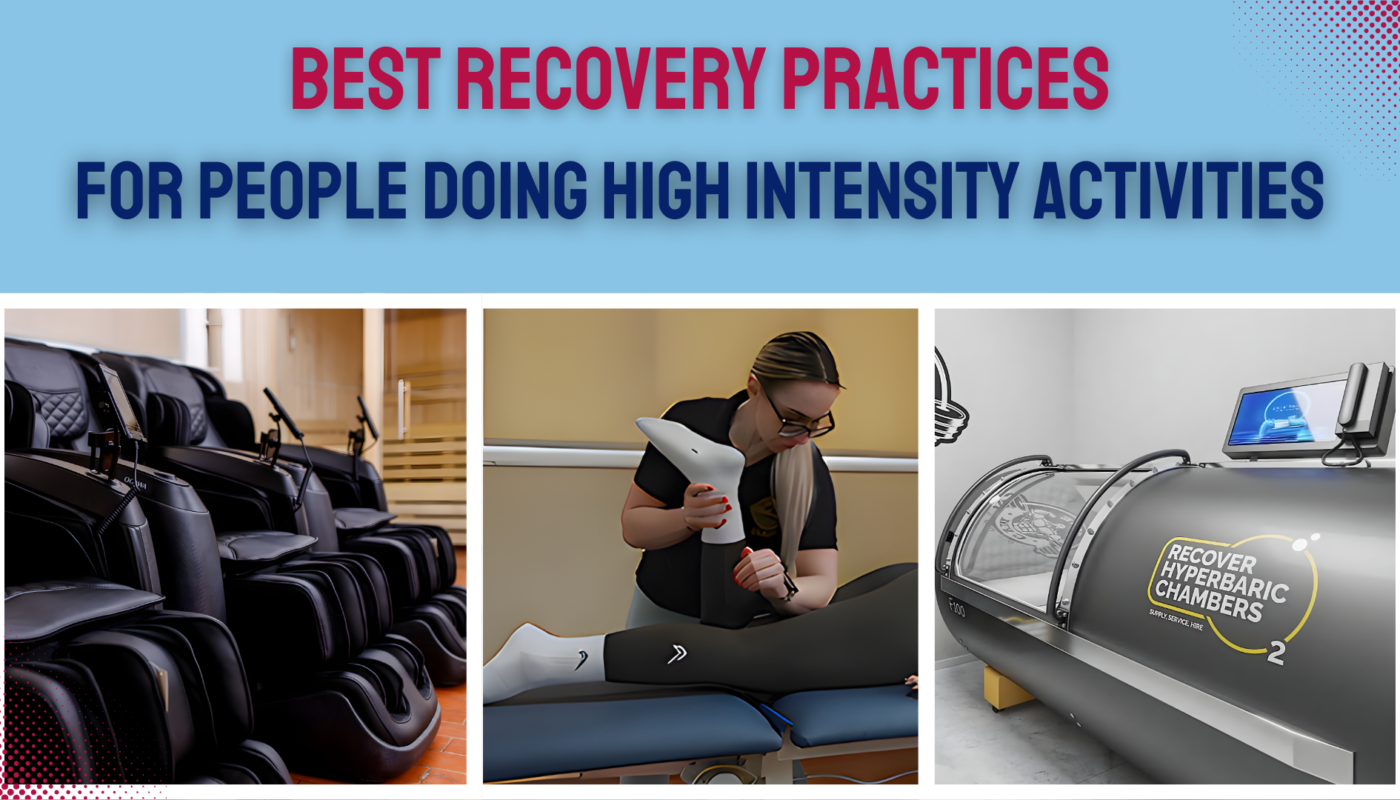
Thanks to technology, we now have access to a wide range of recovery tools. Massage guns, cold therapy, compression sleeves and infrared saunas are becoming more popular because they support circulation and muscle relaxation. Although nothing can replace proper sleep and hydration, these tools can enhance your recovery and reduce soreness after challenging sessions.
Many gym enthusiasts follow advice they find from fitness influencers or wellness brands. It is interesting to see how businesses and wellness professionals are creating content to support people seeking the Best Recovery Practices. Companies often work closely with London’s leading marketing agency or a reliable digital marketing agency to share expert guidance, educational posts and helpful recovery information that is easy for the public to understand. As more people search for at home recovery solutions, these agencies help make professional advice accessible to everyone.
Listening to Your Body Is Essential
Perhaps the most important tip when focusing on the Best Recovery Practices is to listen to your body. If something feels uncomfortable or painful, your body may be trying to tell you that it needs rest. High intensity training should be challenging, but it should never push you towards injury. Finding the balance between discipline and recovery is key to long term success.
Not every day will feel the same. Some days you may feel energised and ready to push harder. On other days you may feel soreness or stiffness that tells you to slow down. Learning to recognise these signs will help you build a healthier and more sustainable fitness routine.
Creating a Sustainable Training and Recovery Routine
Building a successful fitness journey is not about training harder than everyone else. It is about finding a balance between effort and recovery that suits your body and lifestyle. When you understand the value of proper recovery, you can train with confidence knowing that you are protecting your muscles, supporting your wellbeing and improving your results.
High intensity activities require dedication and consistency, but they also require patience and care. By prioritising hydration, sleep, stretching, rest days and possibly visiting professionals like those offering chiropractic in London, you give your body everything it needs to thrive.
Your fitness journey is personal to you. With the right approach and the Best Recovery Practices, you can enjoy high energy workouts while keeping your body strong, flexible and ready for whatever challenge comes next.